Home Author
Author

Lindsay Blance

Advertisement

The old saying, “You are what you eat,” holds particular truth when it comes to skin and hair health. No matter how many high-end products are applied externally, without proper nutrition, true radiance is difficult to achieve. Skin and hair are living tissues that require vitamins, minerals, proteins, and healthy fats to regenerate and thrive.

One of the most powerful nutrients for the skin is vitamin C, found in citrus fruits, bell peppers, and leafy greens. It plays a vital role in collagen synthesis, keeping skin firm and youthful. Similarly, vitamin A, abundant in carrots and sweet potatoes, supports cell turnover and reduces acne. Vitamin E and zinc act as antioxidants, protecting against free radical damage while accelerating wound healing.


Pages: 1 2 3

Advertisement

True beauty extends beyond flawless skin or a perfect hairstyle. It is deeply rooted in the harmony of the mind, body, and spirit. This holistic perspective emphasizes that how we feel internally is directly reflected in our outward appearance. Stress, fatigue, and emotional imbalance often manifest as dullness, acne, or premature aging.

The connection between mental health and beauty is profound. Stress triggers the release of cortisol, a hormone that increases oil production, leading to breakouts and inflammation. Anxiety and lack of sleep reduce collagen production, making the skin appear tired and less elastic. On the other hand, practices like meditation, yoga, and mindful breathing can improve circulation, balance hormones, and create a natural glow.

Pages: 1 2 3

Advertisement

Skincare has evolved far beyond simple cleansing and moisturizing. Today, it is a science-based practice rooted in dermatology, chemistry, and lifestyle habits. An effective routine is not just about using expensive products; it is about understanding how the skin works and giving it what it truly needs.

The skin is the body’s largest organ, acting as a barrier against environmental damage, pathogens, and dehydration. To care for it properly, one must understand the skin’s structure: the epidermis (outer layer), dermis (middle layer), and hypodermis (deepest layer). Each layer plays a vital role in protection, hydration, and repair. When these layers are supported correctly, the skin looks youthful, resilient, and radiant.

Pages: 1 2 3

Advertisement

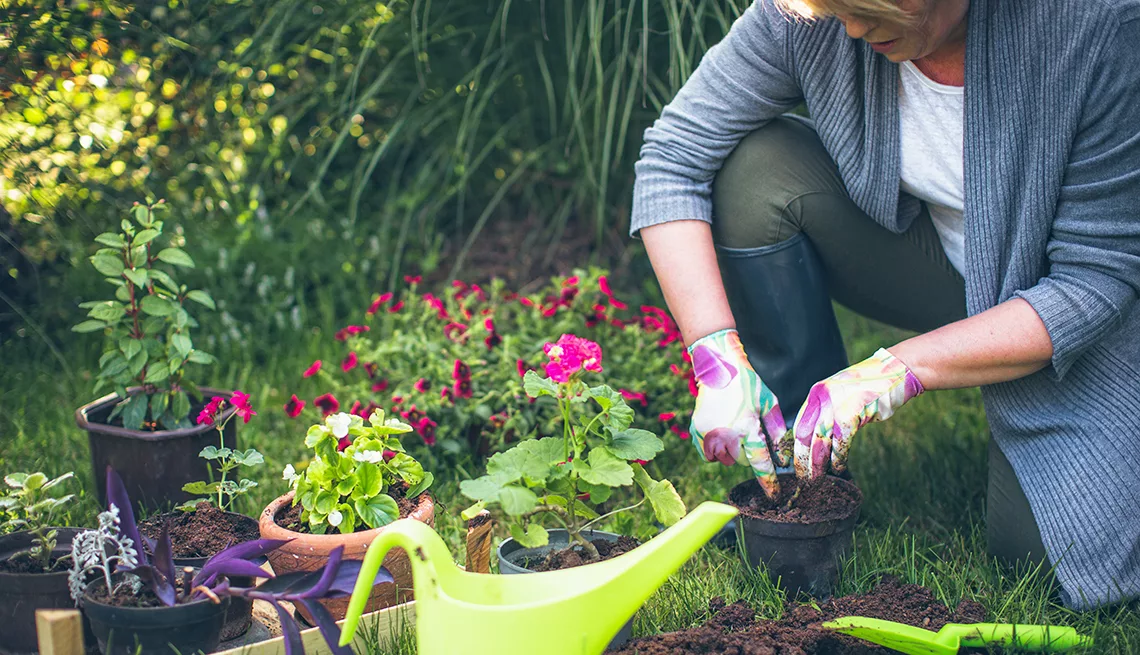
Sustainability has become a defining concern of our time, and gardening is no exception. Sustainable gardening is about creating outdoor spaces that work with nature rather than against it. By adopting eco-friendly practices, gardeners can reduce environmental impact, conserve resources, and create resilient ecosystems.

One of the core principles of sustainable gardening is soil stewardship. Instead of relying on synthetic fertilizers, gardeners use compost, manure, and organic matter to build soil fertility. Practices like crop rotation, cover cropping, and mulching maintain soil health and reduce erosion. Healthy soil stores carbon, making gardening a small but important ally in the fight against climate change.

Pages: 1 2 3

Advertisement

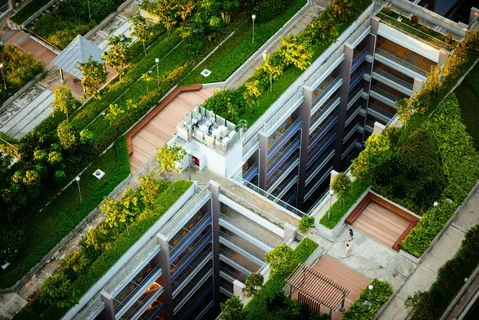
In recent decades, cities have grown rapidly, often at the expense of green spaces. Urban gardening has emerged as a powerful way to bring nature back into concrete landscapes. Whether it’s a rooftop vegetable patch, a community garden, or a few potted herbs on a balcony, urban gardening offers immense benefits for individuals and communities alike.

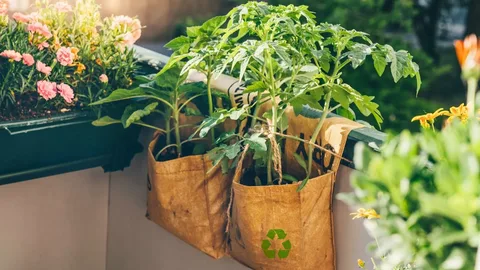
One of the most obvious advantages is access to fresh, nutritious food. Growing vegetables, fruits, and herbs at home reduces reliance on supermarkets and lowers food costs. For city dwellers with limited space, container gardening is an efficient solution. Tomatoes, peppers, lettuce, and herbs thrive in pots, providing a constant supply of healthy produce.

Pages: 1 2 3

Advertisement

Gardening is a year-round activity, with each season offering unique challenges and opportunities. Understanding how to care for plants throughout the year ensures a thriving garden that provides beauty and harvests in every season.

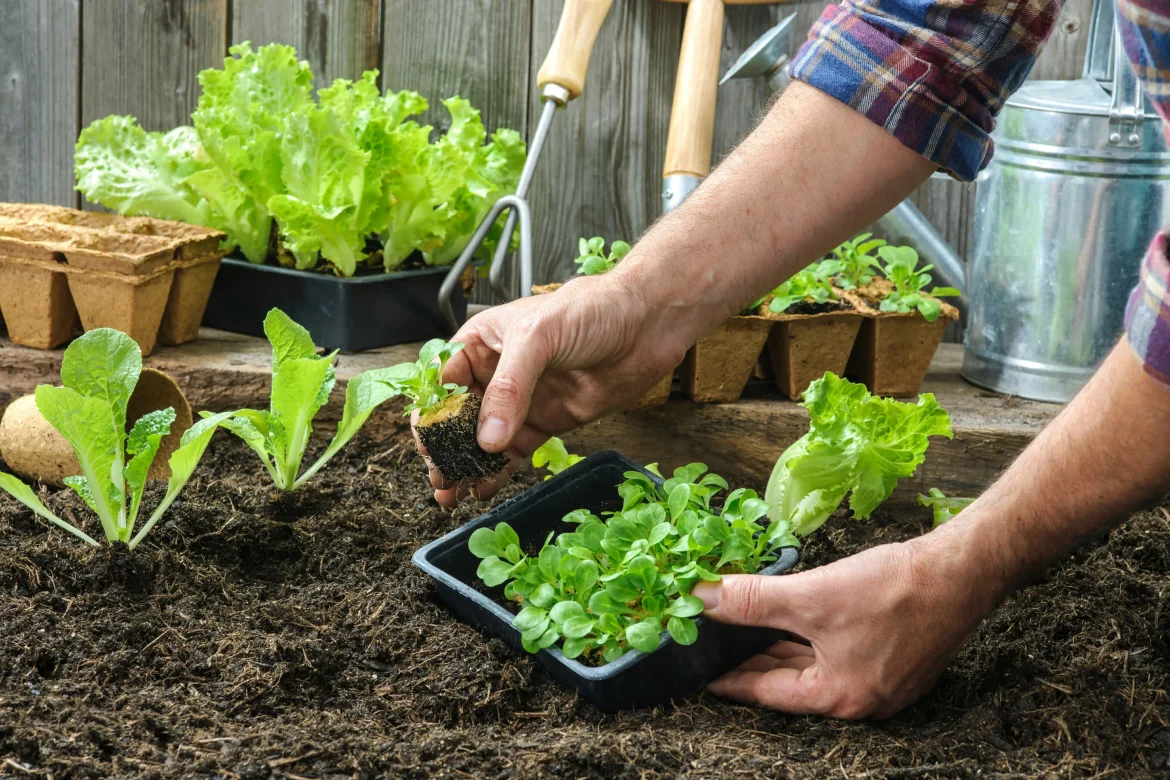
Spring is a time of renewal. As temperatures warm and days lengthen, it’s the ideal moment to prepare soil, sow seeds, and plant young seedlings. Tasks include cleaning up debris, pruning damaged branches, and enriching soil with compost. Cool-season crops such as lettuce, spinach, and peas can be planted early, while warm-season plants like tomatoes and peppers should wait until frost danger passes.

Pages: 1 2 3

Advertisement

For many homeowners, the garden is not just a patch of land—it is an extension of the living space, a sanctuary for relaxation, and a place to connect with nature. Landscaping, the art of designing outdoor areas, can seem daunting to beginners, but with the right approach, anyone can create a garden that is both beautiful and functional.

The first step is planning. Before buying plants or materials, observe your garden: note the amount of sunlight, wind patterns, soil type, and drainage. These factors determine which plants will thrive. A good plan balances aesthetics with practicality. For example, shade trees can provide cooling during summer, while evergreens create privacy and wind protection year-round.

Pages: 1 2 3

Advertisement

Organic gardening is more than just a method of growing fruits and vegetables—it is a philosophy that emphasizes harmony with nature. By avoiding synthetic chemicals and focusing on soil health, organic gardeners create thriving ecosystems that produce nutritious food while protecting the environment.

At the heart of organic gardening lies the soil. Healthy soil is alive with billions of microorganisms that recycle nutrients, build structure, and help plants resist disease. Composting is one of the most effective ways to enrich soil naturally. Kitchen scraps, leaves, and grass clippings can be turned into nutrient-rich compost that improves soil fertility without synthetic fertilizers. Mulching is another key practice: a layer of straw, wood chips, or leaves on the soil surface helps retain moisture, suppress weeds, and slowly release nutrients.

Pages: 1 2 3

Advertisement

Globalization, migration, and technological connectivity have made multiculturalism an increasingly prominent feature of modern societies. Cities around the world are now home to diverse populations, where multiple languages, religions, and traditions coexist. While multiculturalism offers enormous potential for creativity, innovation, and cross-cultural understanding, it also presents challenges related to identity, integration, and social cohesion.

One of the greatest strengths of multicultural societies is the exchange of ideas and perspectives. Diversity fosters innovation, as people with different experiences approach problems in unique ways. Multicultural environments often produce richer art, cuisine, and cultural expression, reflecting the vibrancy of multiple traditions. This cultural dynamism can make societies more adaptable and resilient in the face of global challenges.

Pages: 1 2 3

Advertisement

Technology has always shaped human society, from the invention of the printing press to the industrial revolution. Yet in recent decades, digital technologies—from smartphones and artificial intelligence to virtual reality—have transformed the very fabric of human interaction. These changes have created new opportunities for connection and innovation while also raising concerns about authenticity, mental health, and the meaning of community.

One of the most obvious transformations is the speed and ease of communication. Instant messaging, video calls, and social networks allow people to stay in touch regardless of distance. Families separated by continents can maintain close relationships, and businesses can operate across borders seamlessly. This unprecedented connectivity has made the world smaller, fostering cross-cultural exchanges and collaborations.

Pages: 1 2 3

Advertisement

logo-new

Disclaimer of liability

This site is not intended for diagnostics. The results may vary. This information is not a direct recommendation and should not be interpreted as such. They are not a substitute for a personal consultation or an examination conducted by an authorized specialist. Consult a professional before taking supplements. The information provided should be used as a recommendation for a permanent lifestyle and does not replace a varied and balanced diet.